Golden Bricks Team • 16 Aug 2026
Brick Cladding Colours: Terracotta, Brown, Red and Dual Tone Compared

Terracotta, brown and red look like three points on the same colour wheel, but they come from different clay chemistry and different kiln behaviour — not from a dye or a coating. Understanding that helps explain why some colours suit an exterior facade and others work better tucked inside a restaurant with warm lighting.
Where the colour actually comes from
Clay brick colour is driven mainly by iron oxide content in the raw clay and by how much oxygen reaches the bricks during firing. Clay high in iron, fired in an oxygen-rich kiln, comes out red — the iron oxidises the same way rust forms on exposed steel. Reduce the oxygen during firing or start with a different clay blend and the tone shifts toward brown. Terracotta — literally "baked earth" in Italian — sits between the two: lower iron content and a firing profile tuned for that warm orange-tan rather than a deep red.
None of this is painted on. It's the reason genuine clay cladding doesn't fade or chip the way a coated tile does — the colour goes all the way through the fired body.
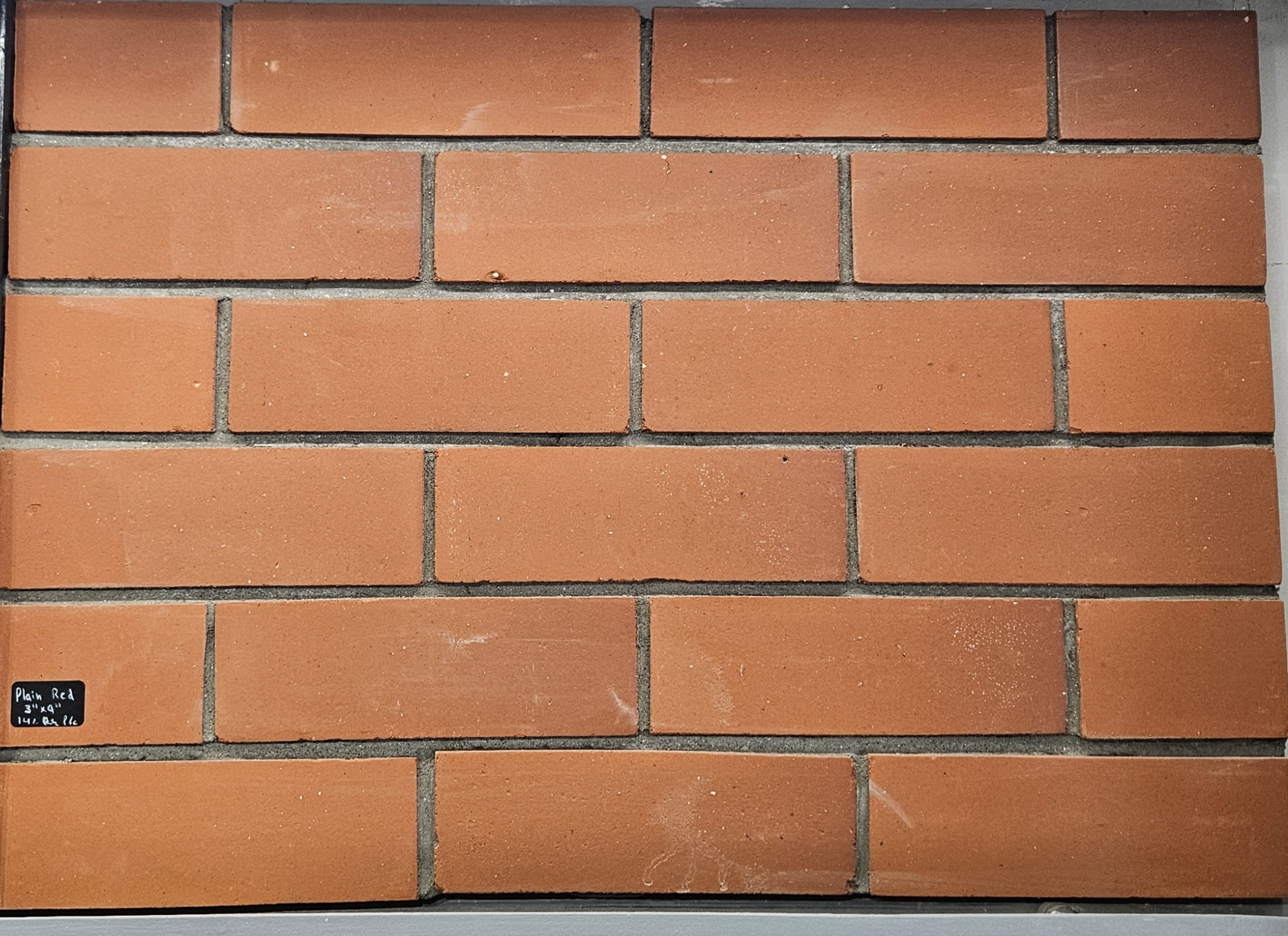
Red
This is the classic exposed-brick colour most people picture by default — high contrast against white or light-grey walls, works with almost any architectural style from colonial to contemporary. It's also the least likely colour to look out of place next to existing red-brick boundary walls or older construction, which matters a lot for renovation projects sitting next to a decade-old structure.
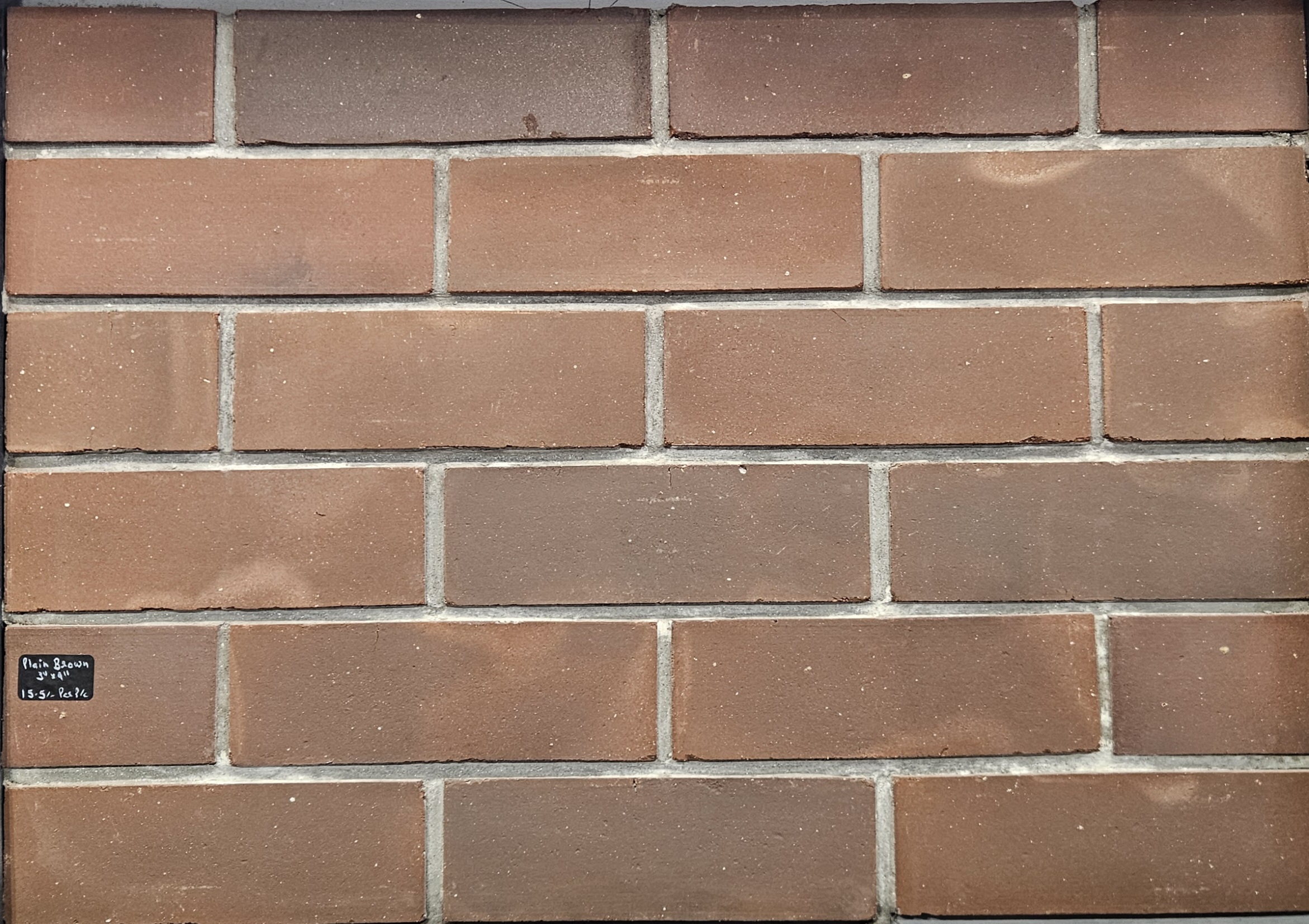
Brown
A warmer, quieter tone that pairs naturally with wood, brass and greenery. Because it has less contrast against typical wall colours than red does, brown reads as calmer on a large facade — it doesn't dominate the elevation the way a full red wall can. It's the colour we get asked for most on residential exteriors where the brief is "warm but not loud."
Terracotta
Terracotta sits closer to orange than red does, which suits Mediterranean-, rustic- or courtyard-style design particularly well. Indoors, it's a strong match for cafes and restaurants going for a sunlit, earthy feel — it photographs warm under tungsten or Edison-bulb lighting in a way that grey-toned bricks don't.
Dual tone and aged finishes
Dual Tone mixes brown and red tiles across the same wall rather than picking one colour, which mimics how a real reclaimed wall looks after decades of patchwork repairs with bricks from different batches. It's the closest our pressed range gets to a genuine salvaged-brick appearance without going to the handmade series. Our Aged Red and Aged Brown textures push further in the same direction — multi-tonal surface variation within a single tile, so even a brand-new wall carries some visual history.
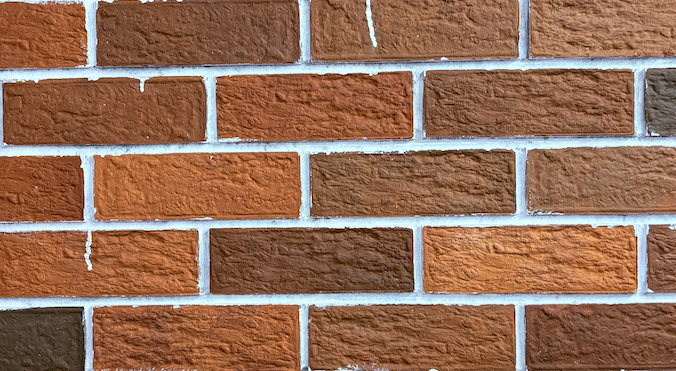
Finish changes how the same colour reads
Smooth tiles have a tighter, more reflective surface, so light bounces off them cleanly and the colour looks brighter and more "finished" — good for interiors where you want a crisp, controlled look. Texture finish scatters light across a rougher surface, which mutes the same base colour and pushes it toward rustic. Handmade goes further still: the irregular, hand-molded surface catches shadow unevenly, which is why a handmade red tile looks noticeably older and less uniform than a pressed smooth red tile, even though the base clay colour is nearly identical.
One thing worth knowing before you commit to an exterior colour
Darker tiles absorb more solar heat than lighter ones on a sun-facing exterior wall — the same reason a black car gets hotter than a white one in the sun. It's rarely a deciding factor for cladding since the tile layer is thin and non-structural, but on a west-facing facade in a hot climate, terracotta or a lighter brown will run marginally cooler to the touch than a deep aged-brown or dark red through peak summer afternoons.
If you've already settled on a colour and finish, the next question is usually size — we've covered how 9"x3", 9"x2" and 9"x1.5" change the look of the same tile in our brick cladding sizes guide. And once size and colour are both decided, budgeting is easier with our pricing breakdown, which explains what actually moves the cost per square foot.
All the colours and finishes shown here are manufactured in-house at our Ambala kiln, which is what lets an exposed brick supplier like Golden Bricks Co. match tone consistently across a large order — every batch fires under the same controlled conditions. Full range and specs are on our brick cladding tiles page, or send us a room photo and we'll suggest a colour that fits the lighting.

